From Sustainability to Efficiency: Creating Value Beyond Price
16 July 2026
For many years, procurement decisions were largely driven by one factor:
Price.
Whilst cost remains important, the reality is that modern businesses operate in a far more complex environment.
Today, organisations must balance efficiency, sustainability, resilience, employee engagement and customer expectations alongside financial performance.
As a result, value can no longer be measured by purchase price alone.
Looking at the Bigger Picture
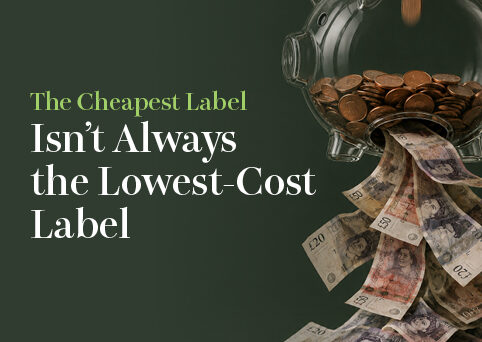
A lower unit cost does not automatically create a lower overall cost.
In fact, focusing solely on the price of a product can sometimes increase operational costs elsewhere within the business.
Questions worth considering include:
- How much labour is involved in applying the product?
- Does it improve operational efficiency?
- Does it reduce waste?
- Does it improve reliability?
- Does it support sustainability objectives?
- Does it minimise downtime?
- Does it strengthen supply chain resilience?
The answers often reveal that the true cost of ownership extends far beyond the invoice value.
Sustainability and Efficiency Often Go Hand in Hand
One misconception we occasionally encounter is that sustainability and commercial performance sit on opposite sides of the equation.
In reality, many of the most successful sustainability initiatives also improve efficiency.
Reducing waste frequently reduces cost.
Improving process flow often reduces energy consumption.
Modernising equipment can enhance productivity whilst reducing environmental impact.
The most effective projects achieve both objectives simultaneously.
The Role of a Strategic Partner
This is where a consultative approach becomes increasingly important.
Rather than focusing on individual products, we encourage customers to consider the wider operational picture.
What are the objectives?
Where are the inefficiencies?
What risks exist?
What opportunities are available?
By understanding the broader environment, it becomes possible to identify solutions that deliver benefits across multiple areas of the business.
Measuring What Matters
Success should not be measured solely by what was purchased.
It should be measured by what was improved.
Has productivity increased?
Has waste reduced?
Has resilience improved?
Has sustainability progressed?
Has the customer experience improved?
These are often the metrics that create meaningful long-term value.
Looking Forward
Businesses continue to face increasing pressure to do more with less.
At the same time, sustainability expectations and operational demands continue to grow.
The organisations that thrive will be those that look beyond short-term purchasing decisions and focus on long-term value creation.
At GBF, we believe the conversation should start with outcomes, not products.
Because when value is measured properly, everybody wins.