Why Sustainability is Becoming Essential Within the Modern Labelling Industry
21 May 2026
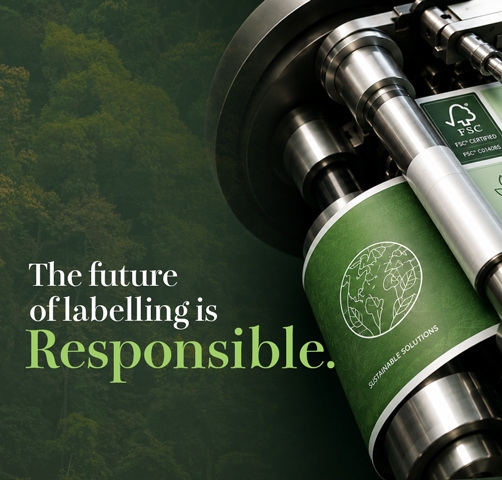
Sustainability within the labelling industry is no longer simply a trend or marketing exercise — it is becoming an increasingly important part of how modern businesses operate.
Across almost every sector, organisations are facing growing pressure from customers, stakeholders and legislation to demonstrate stronger environmental responsibility. As a result, both suppliers and end users within the labelling market are now placing far greater focus on sustainable materials, waste reduction and smarter supply chain decisions.
Importantly, sustainability is not just about protecting the environment. It also brings wider corporate and social responsibility benefits. Businesses that actively invest in sustainable practices often strengthen brand reputation, improve customer confidence and demonstrate a clear commitment to responsible business operations.
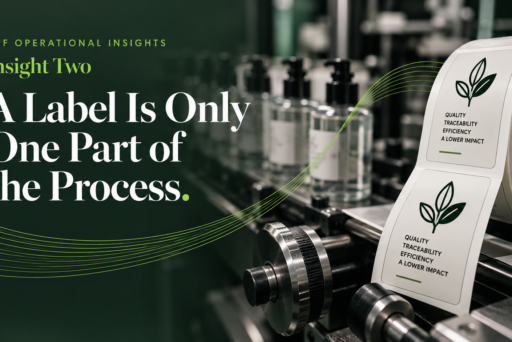
Within the labelling sector, the conversation has evolved significantly in recent years. It is no longer only about recyclable materials. Companies are now looking at the wider picture, including liner waste recovery, material efficiencies, responsible sourcing, energy usage and reducing unnecessary waste throughout the supply chain.
For end users, sustainable labelling can also support wider ESG objectives and help businesses meet increasingly important environmental targets. At the same time, consumers themselves are becoming more aware of packaging waste and are paying closer attention to the environmental credentials of the brands they buy from.
Perhaps most importantly, sustainability and commercial performance no longer need to sit at opposite ends of the table. In many cases, smarter and more sustainable processes can also improve operational efficiency, reduce waste costs and strengthen long-term resilience.
At GBF, we believe sustainability should be viewed as a long-term responsibility shared across the entire supply chain. The businesses that embrace this proactively today are likely to be the businesses best positioned for the future — commercially, socially and environmentally.